Artificial Limb Design is entering 2026 with a stronger focus on movement, comfort, and everyday independence. Global buyers are no longer choosing devices based only on appearance or basic function. They are examining socket fit, battery endurance, repair access, weight, weather resistance, and clinical support.
The World Health Organization and UNICEF reported in Global Report on Assistive Technology that more than 2.5 billion people need assistive products today. This figure could exceed 3.5 billion by 2050. The report also highlights major gaps in affordability, availability, and trained services. These findings make practical design essential, not optional. Grand View Research also identifies continued growth in the global prosthetics and orthotics market, driven by aging populations, mobility needs, and technological development. Market forecasts vary, however. They should guide decisions, not replace local evidence.
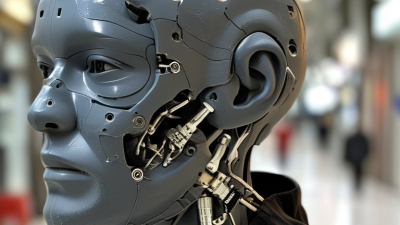
Hugh Herr, a leading MIT biomechatronics researcher and prosthetics innovator, has said, “The human body is a beautiful thing, and the human body is capable of extraordinary things.” His work shows how powered joints, responsive sensors, and adaptive control can support more natural movement. Still, advanced technology can create new problems. Complex components may increase maintenance demands. A lighter limb may not suit every user or working environment. Buyers should therefore compare clinical outcomes, user training, service networks, and total ownership costs. The best Artificial Limb Design may not be the most futuristic model. It may be the one that remains comfortable after a long commute, stable on wet pavement, and repairable when plans change. Some 2026 predictions will miss the mark. Careful testing must remain the final authority.
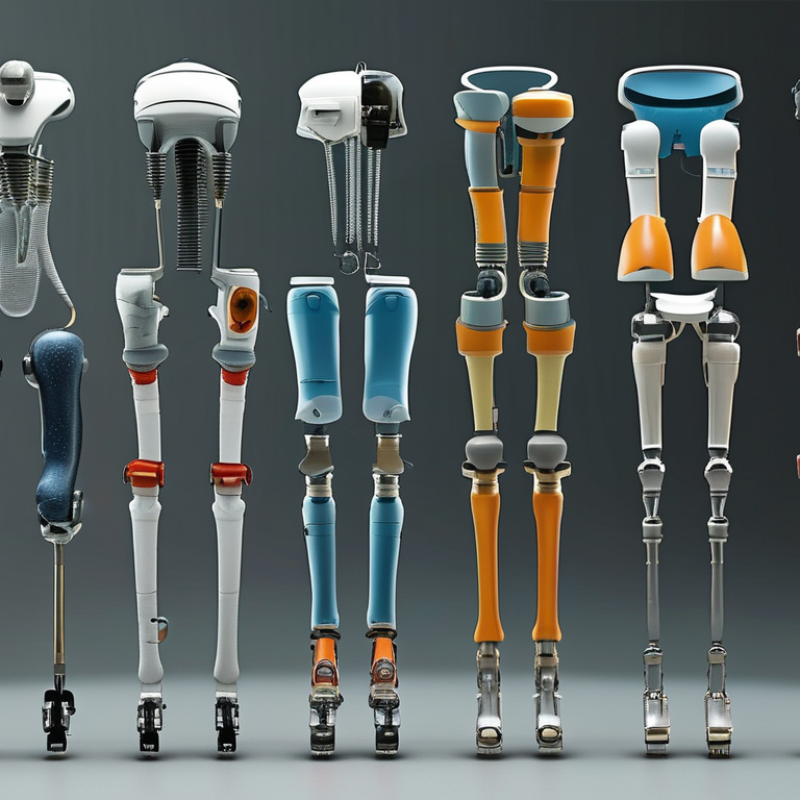
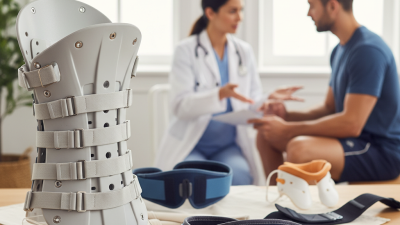
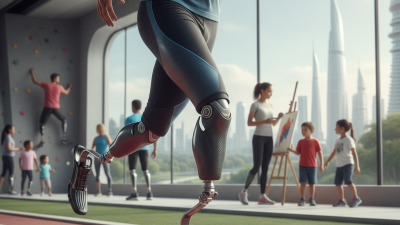
In 2026, artificial limb design is defined by personal fit, practical movement, and daily confidence. A successful limb must match the user’s body, work, climate, and routine. Prosthetists increasingly combine clinical measurements with walking observations and user feedback. This experience reveals problems that laboratory tests may miss, such as socket pressure after several hours or reduced grip in humid conditions. Comfort matters.
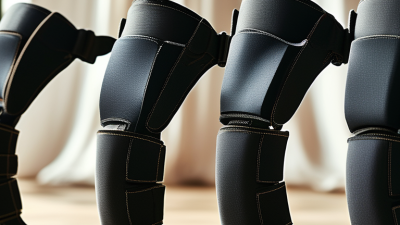
Lightweight materials, adjustable sockets, and modular components are becoming more important for global buyers. Digital scanning can improve alignment and shorten fitting time, while embedded sensors may support more natural movement. However, technology is not automatically better. Batteries need charging, software requires support, and advanced features can increase training demands. A simpler design may serve a rural user more reliably. There is no universal solution.
Tips: Ask about fitting, maintenance, spare parts, and local technical support. Check whether the limb can be adjusted as strength, weight, or activity changes. Request clear information about testing, material safety, and expected service life. Compare real user outcomes, not only product images. Small details matter. Buyers should also question how personal data is stored when connected features are included. Design teams can improve, but feedback is often incomplete; regular reviews with clinicians and users remain essential.
| Design Trend | Core Design Features | Typical Application | Buyer-Relevant Performance Dimension | 2026 Design Direction | Practical Procurement Considerations |
|---|---|---|---|---|---|
| Sensor-Controlled Mobility | Inertial sensors, load sensors, microprocessors and adaptive control algorithms adjust joint resistance or assistance during movement. | Active users requiring safer transitions between level walking, ramps, stairs and variable terrain. | More consistent gait control, improved stumble recovery and reduced need for manual mode changes. | Smaller electronics, faster response times, clearer user feedback and easier clinician configuration. | Check battery runtime, environmental sealing, software update policy, calibration requirements and service training. |
| Powered Ankle and Foot Systems | Motor-assisted plantarflexion, energy storage and controlled push-off support during late stance. | Lower-limb users seeking improved walking efficiency and more natural ankle behavior. | Push-off assistance, walking comfort, slope adaptation and reduced compensatory motion. | Longer operating time, lower system weight and more compact actuators are key development goals. | Compare total system mass, charging time, expected duty cycle, noise level and maintenance access. |
| Personalized Socket Design | Digital limb scanning, pressure mapping, adjustable interfaces and digitally assisted fabrication workflows. | Transfemoral and transtibial users with changing residual-limb volume or complex anatomy. | Pressure distribution, suspension security, skin protection and fitting repeatability. | More data-driven fitting, faster design revisions and greater use of adjustable or hybrid socket structures. | Request fitting protocols, data privacy controls, scan compatibility and documented revision procedures. |
| Lightweight Modular Construction | Carbon-fiber composites, titanium or aluminum components, modular adapters and replaceable structural parts. | Daily-use, community-use and higher-activity prostheses where weight and durability must be balanced. | System weight, structural safety, corrosion resistance and ease of component replacement. | Designs increasingly prioritize low mass without sacrificing load capacity or serviceability. | Verify rated user mass, activity classification, connector standards, fatigue testing and spare-part availability. |
| Improved Suspension and Liner Systems | Vacuum-assisted suspension, elevated vacuum options, breathable liners, gel interfaces and locking mechanisms. | Users who experience pistoning, volume fluctuation, sweating or skin irritation. | Suspension stability, comfort, skin health and tolerance during extended wear. | Greater emphasis on pressure management, thermal comfort and accommodation of daily limb-volume changes. | Evaluate liner material, cleaning requirements, replacement interval, seal reliability and compatibility with socket geometry. |
| Osseointegration-Ready Interfaces | Direct skeletal attachment concepts that connect an external prosthesis to an implanted fixation interface. | Selected lower- or upper-limb users who cannot tolerate conventional socket suspension. | Reduced socket dependence, mechanical stability and direct transfer of limb loading. | More attention to infection control, load management, rehabilitation pathways and long-term follow-up. | Treat as a specialized clinical pathway; assess surgical eligibility, regulatory status, rehabilitation capacity and infection protocols. |
| Myoelectric and Pattern-Recognition Control | Surface electromyography, multiple control sites and software-assisted recognition of residual-muscle signals. | Upper-limb users seeking powered grasp, wrist rotation or more intuitive command options. | Control accuracy, switching speed, training time and reliability under changing electrode contact. | More personalized calibration, adaptive signal processing and simplified control interfaces. | Review electrode placement stability, software learning requirements, battery performance and repair procedures. |
| 3D-Printed and Digitally Fabricated Components | Additive manufacturing for cosmetic covers, sockets, adapters, test models and selected structural components. | Custom-fit applications and settings requiring rapid iteration or distributed production. | Design flexibility, production lead time, repeatability and local repair potential. | More standardized digital workflows, validated materials and localized manufacturing capacity. | Confirm material certification, load testing, print orientation controls, post-processing and design-file ownership. |
| Human-Centered Cosmetic Design | Anatomical shaping, customizable covers, skin-tone options, quiet mechanisms and everyday-wear aesthetics. | Users prioritizing confidence, social participation and discreet integration into daily clothing. | User acceptance, visual personalization, noise control and ease of cleaning. | Cosmetic, functional and identity-related requirements are increasingly addressed in the same design brief. | Ask for customization options, replacement costs, color consistency, impact resistance and cleaning instructions. |
| Sustainable and Repairable Design | Replaceable covers, serviceable batteries, durable materials, modular upgrades and reduced packaging. | Health systems and buyers evaluating total ownership cost and long-term environmental impact. | Product lifespan, repairability, component reuse and disposal requirements. | Lifecycle design and maintenance access become more important alongside initial purchase price. | Request warranty terms, repair manuals, battery recycling arrangements, upgrade paths and availability of consumables. |
| Connected Monitoring and Remote Support | Usage logs, battery alerts, maintenance reminders and optional remote adjustment or tele-rehabilitation support. | Distributed care models, remote regions and users who benefit from proactive maintenance. | Service response time, fault detection, adherence monitoring and continuity of care. | More secure data handling, clearer clinician dashboards and better integration with rehabilitation workflows. | Check consent management, cybersecurity, offline operation, data ownership and availability of technical support. |
Note: The trends and design considerations summarize established prosthetic technologies and documented development directions. Actual performance depends on the user, residual-limb condition, clinical fitting, component configuration, rehabilitation and local regulatory requirements.